Eldrazi Temple is a pretty awful land when it isnt tapping for two, and including two other cards just to accommodate it hardly seems like sensible deckbuilding
respect reprint culture when timing purchases (chasing launch premiums on in-print sets is how margins evaporate)
This option is perfect if you want a deck that feels both collectible and competitive, thanks to its unique new cards you wont find in other starter decks
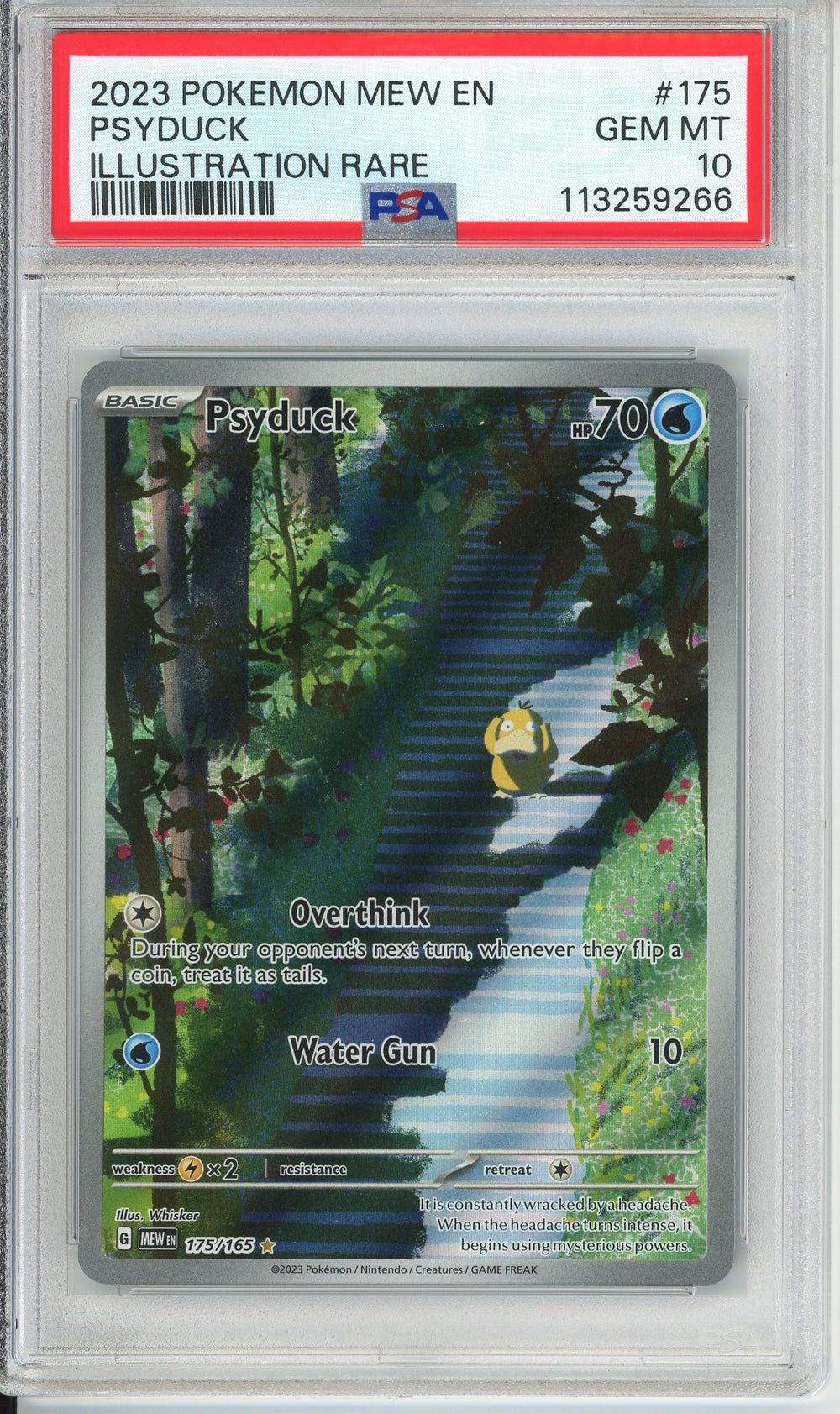
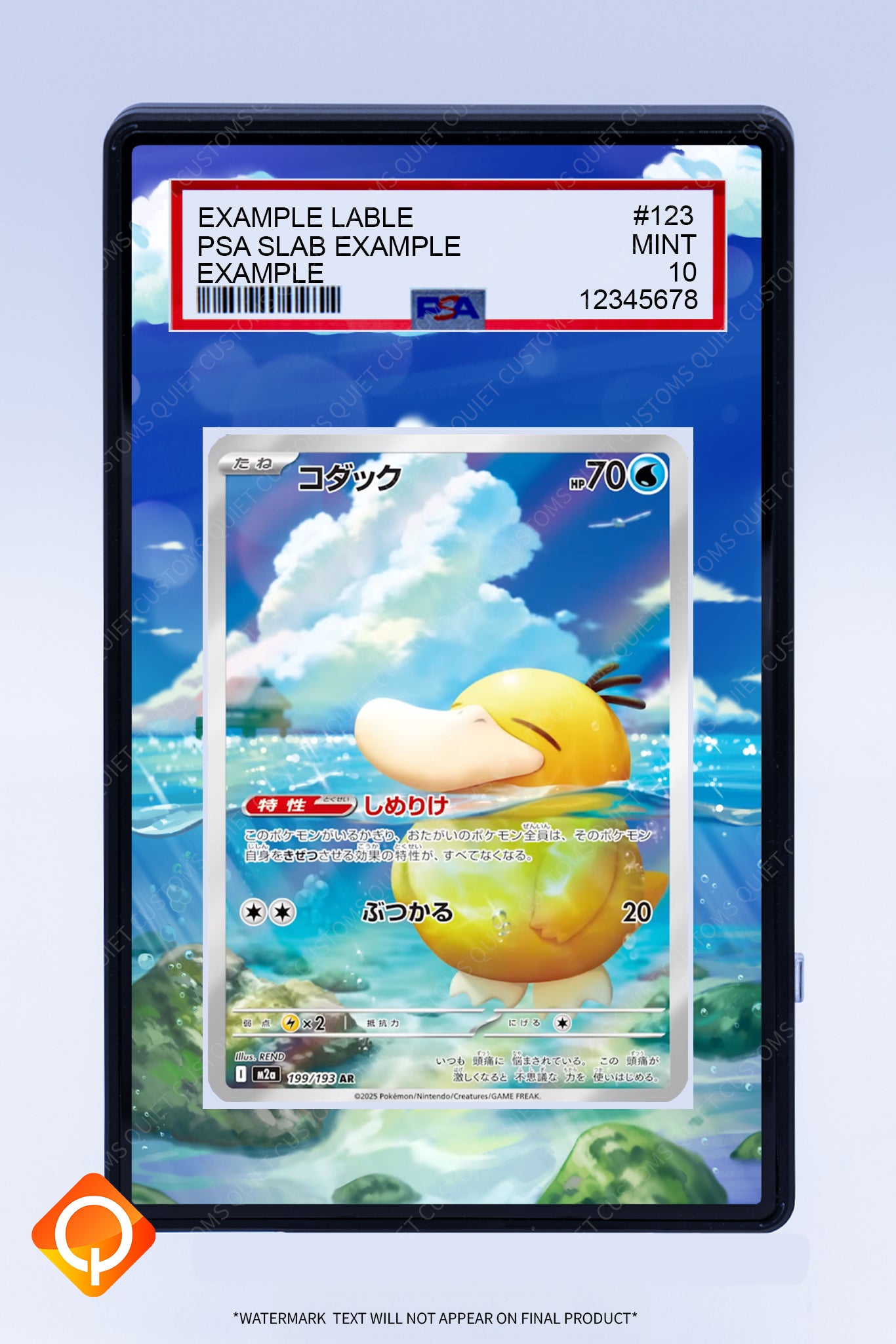
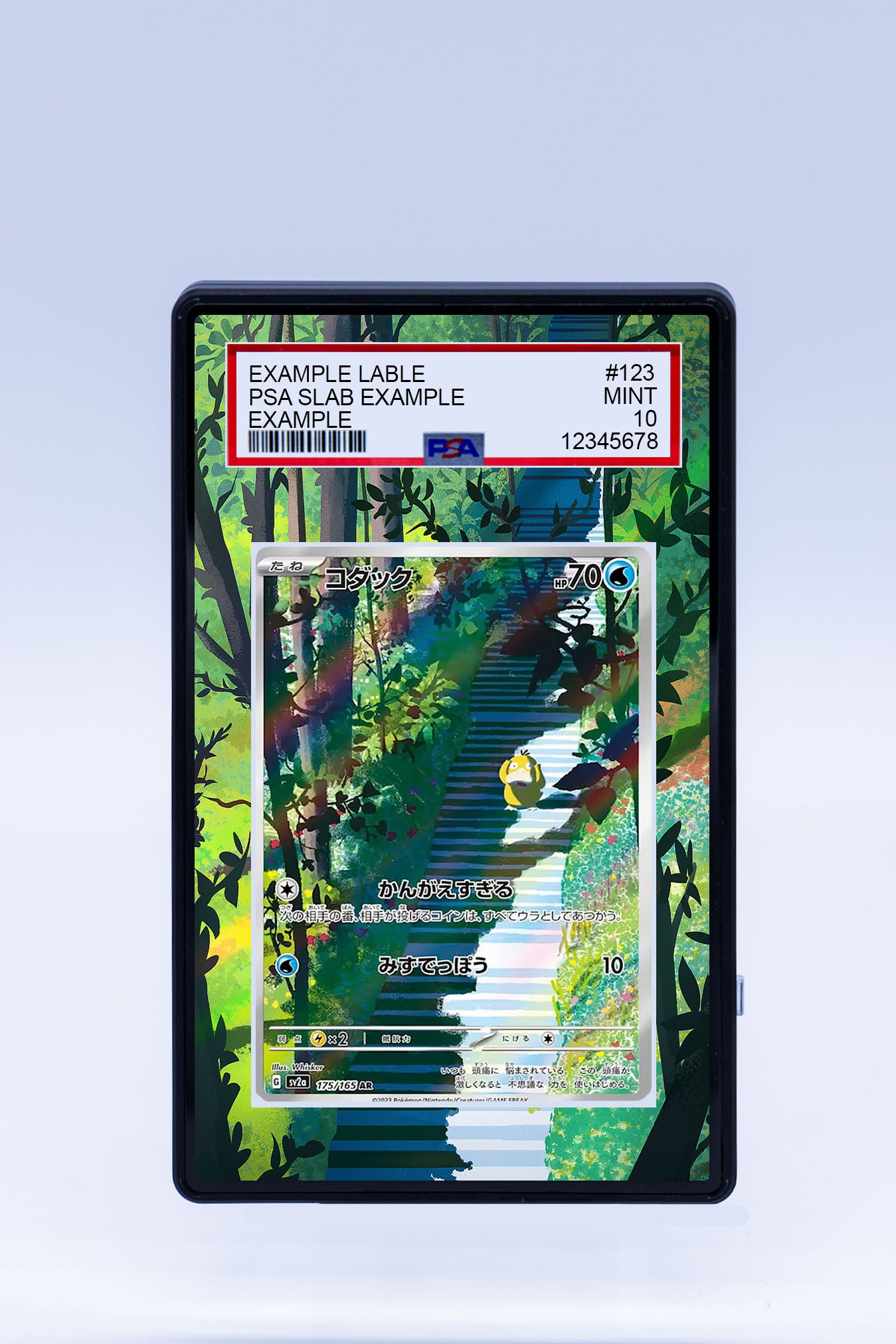
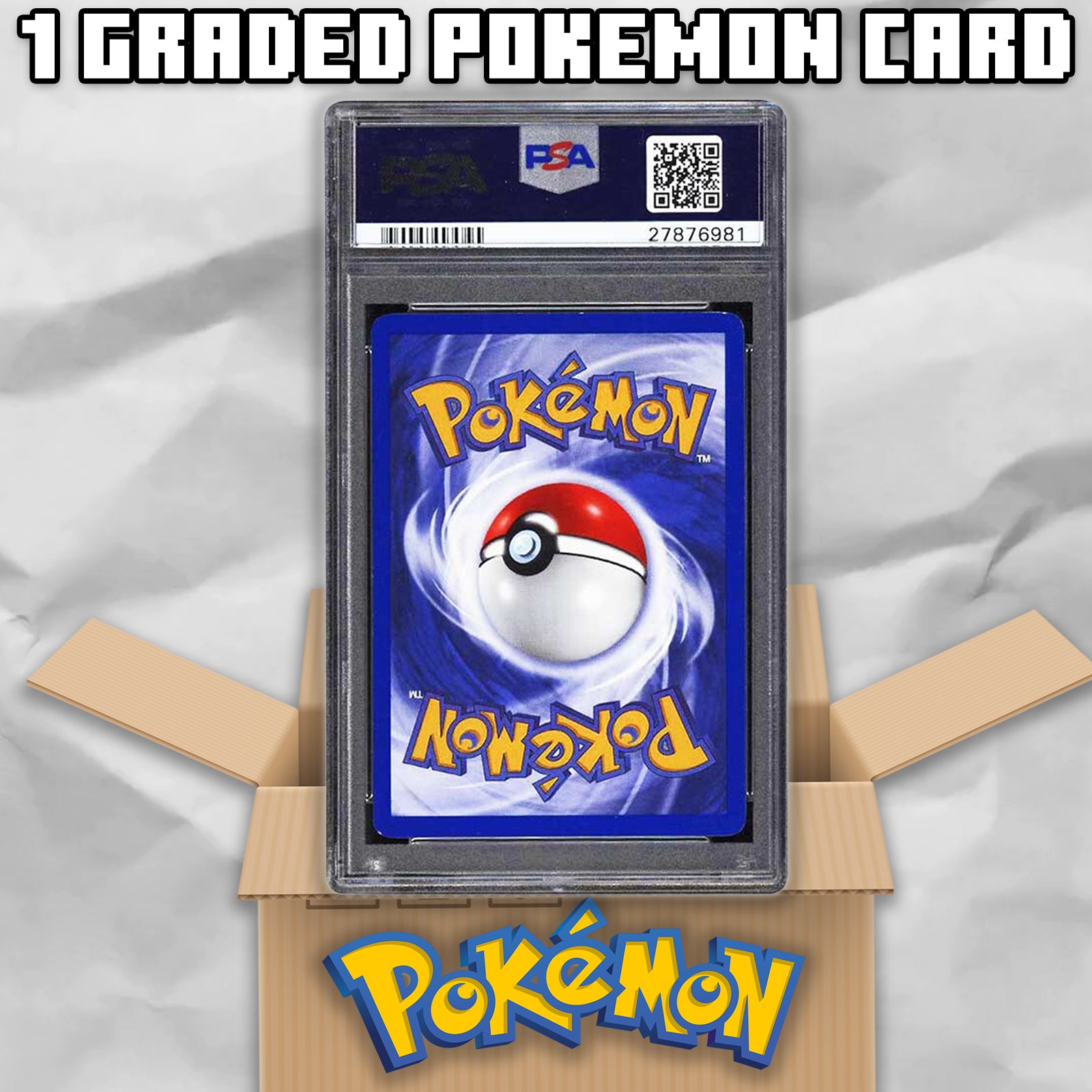
The printing facility in Japan produces cards with: Better centering JPN cards are cut with tighter tolerances, making off-center cards far less common than in English print runs Smoother card stock The paper quality is more uniform, reducing surface imperfections that cost points on the grading scale Cleaner edges Factory-fresh JPN cards show fewer whitening issues straight out of the pack Consistent foil application Holographic patterns and texture are applied more evenly This means a freshly pulled Japanese SAR or SR has a meaningfully higher chance of earning a PSA 10 compared to the same card printed in English

e-Series Crystal Pokemon Japanese versions used the white star symbol and had a glossy surface with an additional glittery foil layer image419600 99.8 KB Original Era/Neo/Old Back Secret Rares (International) / Super Rares (Japan) For international sets, these would have a card number larger than the set number, however for Japan, they would just be noted by a white rarity symbol such as a , although there were also super rares with the uncommon symbol image350495 89.1 KB image350495 75.3 KB Double Black Star (Japan) - image425599 58.6 KB While not used in sets, this symbol is typically only used on Trophy Cards Triple Black Star (Shining) - image429599 48.4 KB image350495 78.4 KB the international versions of Shining Magicarp and Shining Gyarados did not have this rarity symbol, but instead were marked as Secret Rares with the card number exceeding the set number
What Are The Most Expensive MTG Cards